Gora Wilderness Foundation is DEDICATED to connect, conserve, restore and rewild one of southern Africa’s most remarkable landscapes.
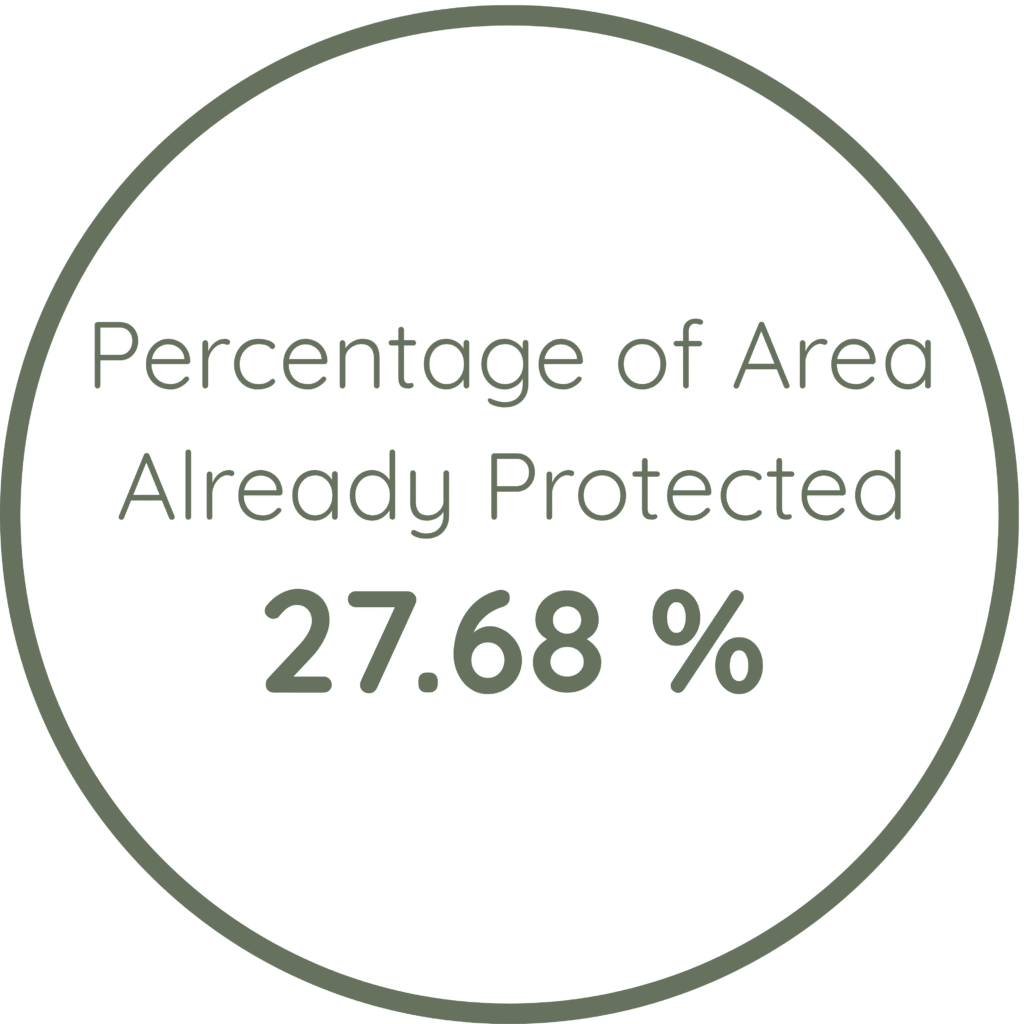
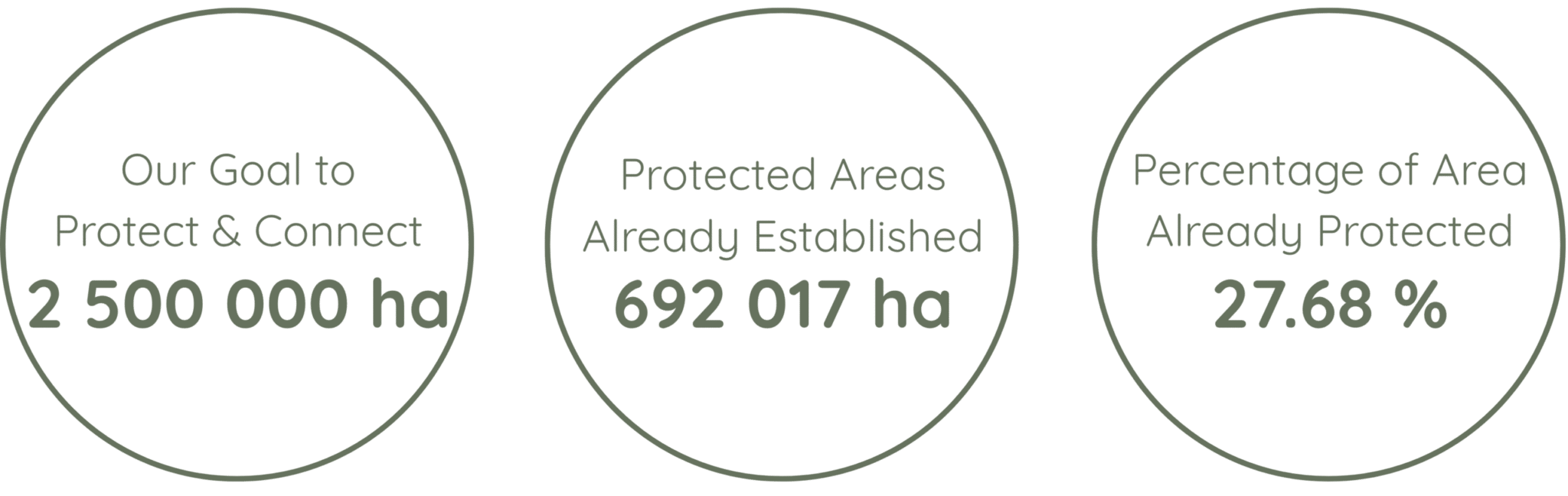
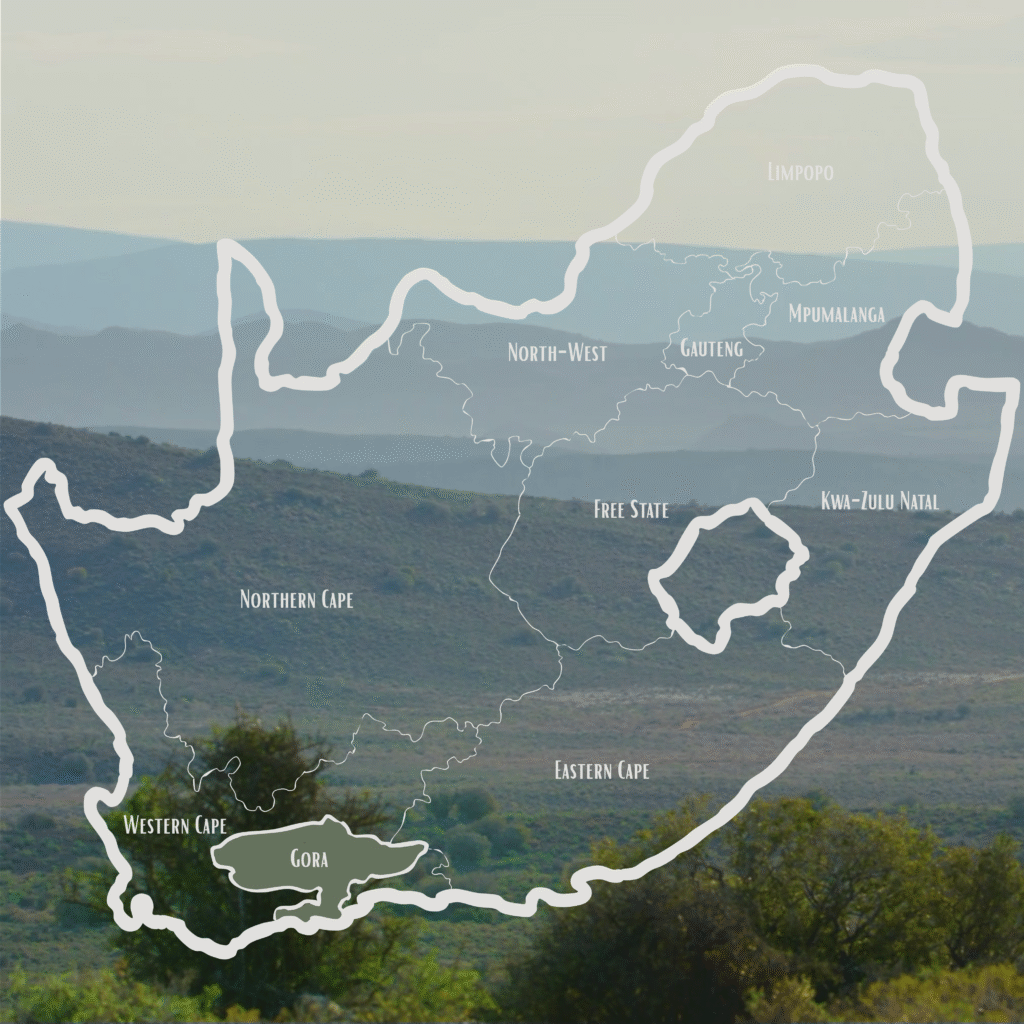
We bring together strategic land custodians, ecological restoration, rewilding, regenerative land management and science-based conservation, working alongside private landowners, communities, government and strategic conservation partners to build an increasingly connected landscape across 2,500,000 ha (6,177,800 acre). Through this collaborative approach, we are dedicated to create a resilient, connected and thriving landscape where wildlife can once again move across historic ranges, biodiversity can recover, and conservation can generate enduring ecological, social and economic value for both nature and people.
Along the southernmost extremities of the African continent lies a land where the ancient rhythm of Africa has been disturbed, changed, distorted and almost forgotten!
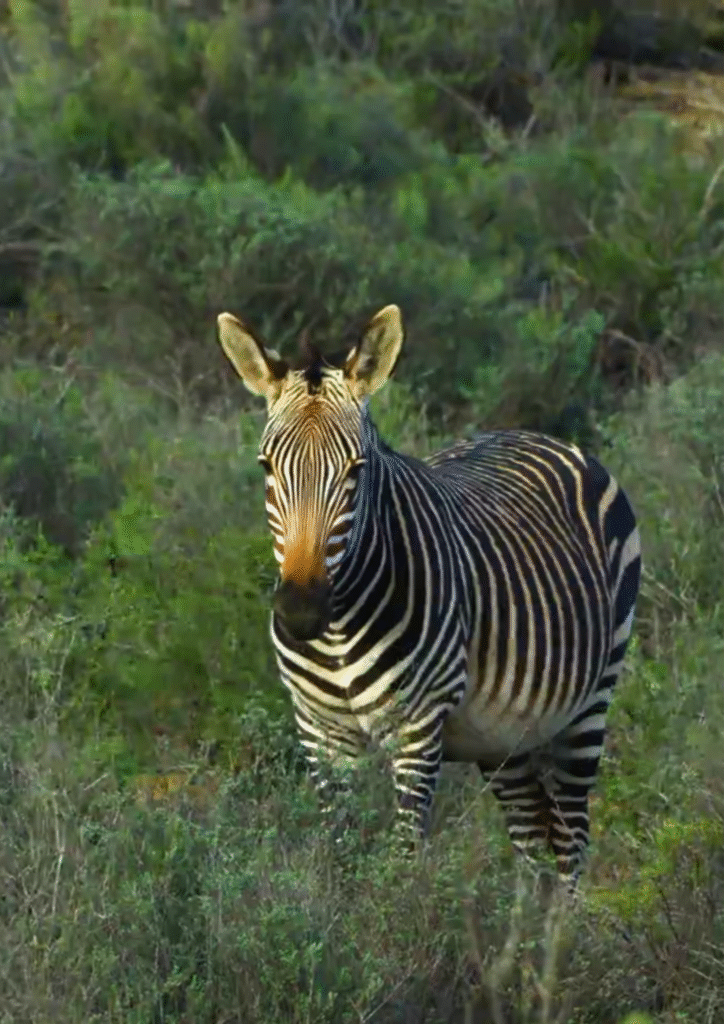
Endless herds of springbok, black wildebeest and half-striped quagga have been replaced with far-ranging sheep farms. Rivers and lagoons where the hippopotamus openly bathed in the morning sun became eerily silent. Rolling coastal hills where herds of bontebok and blue antelope once ranged have been reduced to Renosterveld grasslands patches between wheat and canola.
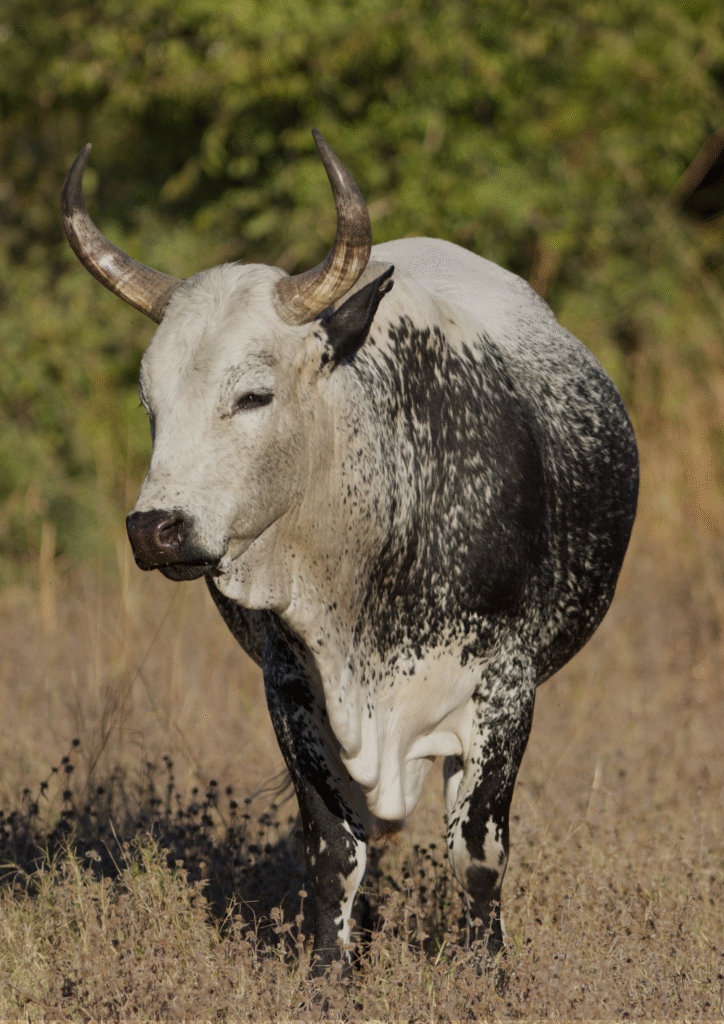
After more than 350 years after European settlement began much about the former wilderness has been forgotten. But the impact on nature at the hands of humanity started even earlier when the ancestors of San/Bushmen hunter-gatherers entered the Cape in time now immemorial. After them and in their footsteps followed the Khoekhoe pastoralists arriving around 390 BC with their large herds of fat-tailed sheep, speckled goats and long-horned sanga cattle. By 1488 European forays commenced as Portuguese seafarers set foot on Cape soil! Dutch settlement in the year 1652 was merely the last driver in an ever-changing Cape!
Today the stage, that is the remarkable landscape, still remains and the the characters, that is the wildlife, are slowly making a comeback as protected areas are increasingly being connected and expanded.
Since 1964 protected areas have increased as dotted islands of biodiversity – Join us in reconnecting the wilderness
In 1964 a call to conserve the last stretches of Cape wilderness commenced with the proclamation of the Swartberg and Langeberg Mountain Catchment Areas. By 2026 these dotted islands of conservation are prominent features across the Gora Wilderness Conservation Area planning domain, while the majority of these proclaimed conservation areas are still devoid of the larger wildlife that once called this forgotten wilderness home.
Gora Wilderness Foundation exists to help write the next chapter in this wilderness. Through landscape-scale conservation and connectivity, ecological restoration and collaboration with the people who live and work upon this land, we are working to reconnect these isolated islands of conservation — creating space for wildlife, people and nature to thrive together.
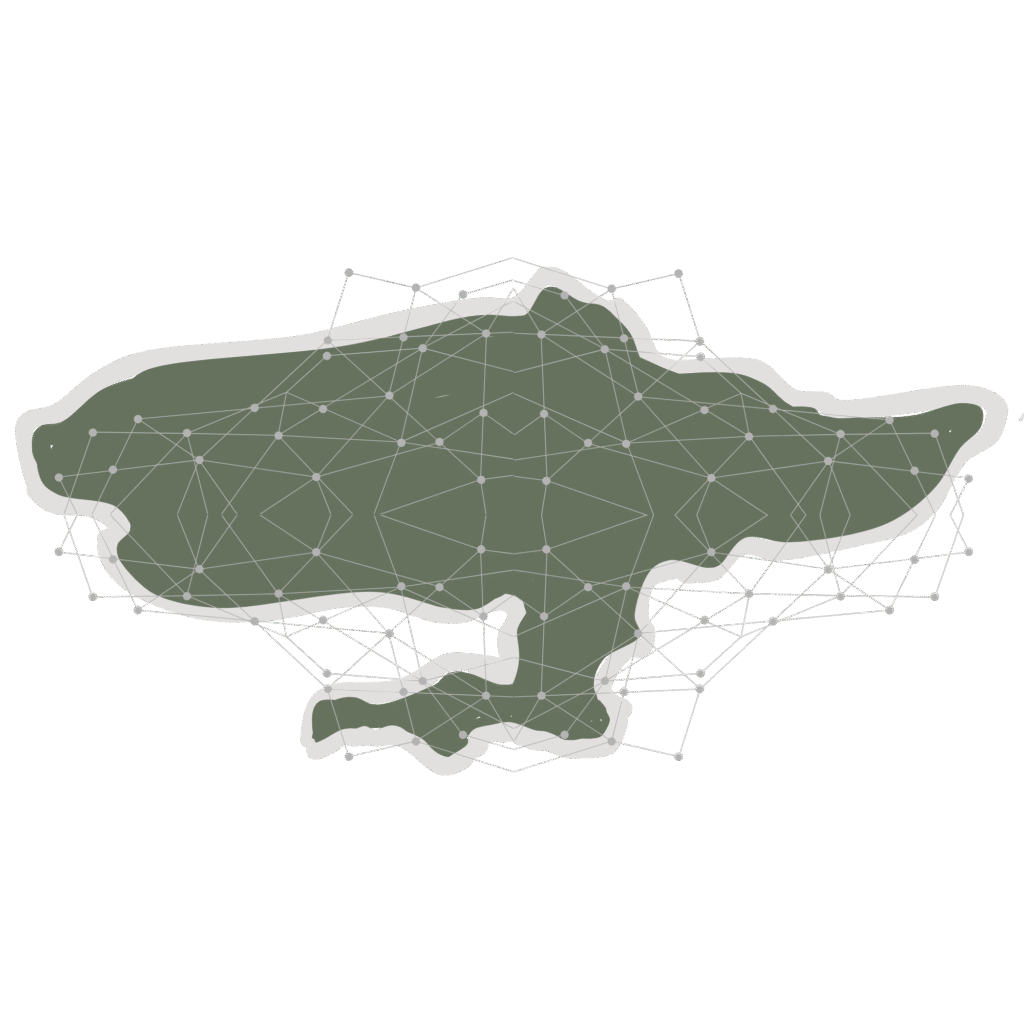
Protected Area Expansion Timeline 1964 – 2026.
our approach
Gora Wilderness Foundation applies both landscape expertise and ecological rigour to design the Gora Wilderness Conservation Area.
Our team combines deep, on-the-ground knowledge to ensure every expansion is structured for durability, scalability, and measurable ecological and economic outcomes. By combining catalytic philanthropic capital with impact investment, we can develop a sustainable nature-based economy.
Landscape-Scale Connectivity
Connect islands of conservation through strategic land acquisitions incorporation and voluntary partnerships with neighbouring landowners and conservation organizations, to create a single connected and resilient functioning conservation landscape.
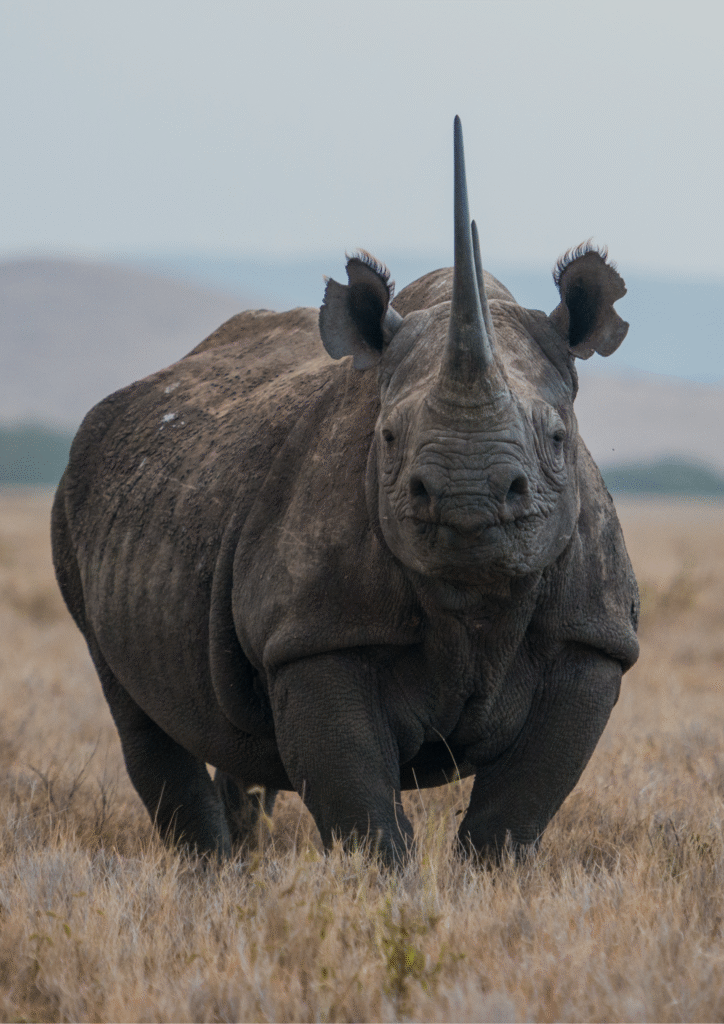
Restore fragmented and degraded habitats, recover lost ecological processes, and rewild indigenous fauna and flora to revive the full suite of biodiversity within this connected and resilient living conservation landscape that is the Gora Wilderness Conservation Area.
Collaborate and participate with us to write the next chapter by co-developing a thriving wildlife and nature-based economy that creates sustainable opportunities for local landowners and communities through responsible tourism and long-term conservation investment.
Connect islands of conservation through strategic land acquisitions incorporation and voluntary partnerships with neighbouring landowners and conservation organizations, to create a single connected and resilient functioning conservation landscape.
Restore fragmented and degraded habitats, recover lost ecological processes, and rewild indigenous fauna and flora to revive the full suite of biodiversity within this connected and resilient living conservation landscape that is the Gora Wilderness Conservation Area.
Collaborate and participate with us to write the next chapter by co-developing a thriving wildlife and nature-based economy that creates sustainable opportunities for local landowners and communities through responsible tourism and long-term conservation investment.
Conservation at scale can only be achieved together. Our collaborative expansion model creates different pathways for you to help grow one connected wilderness — enabling existing landowners to bring their land into the greater conservation landscape, prospective landowners to acquire and restore strategically important properties, impact investors to provide the capital that unlocks sustainable expansion, and adventure seekers to own a private lodge residence that enables the expansion of Gora.
biodiversity stewardship agreements
Already own land in the Planning Domain? Expand the wilderness by joining the Gora Wilderness Conservation Area.